

Free artworkFree DeliveryReply time: Within one working day
info@madlymerch.co.uk

Enamel vs Printed Pin Badges

Enamel badges use separate areas of colour inside metal outlines. Printed badges carry the artwork beneath a clear surface, without metal lines dividing every colour. Choose by the detail you need to keep and the finish you want.

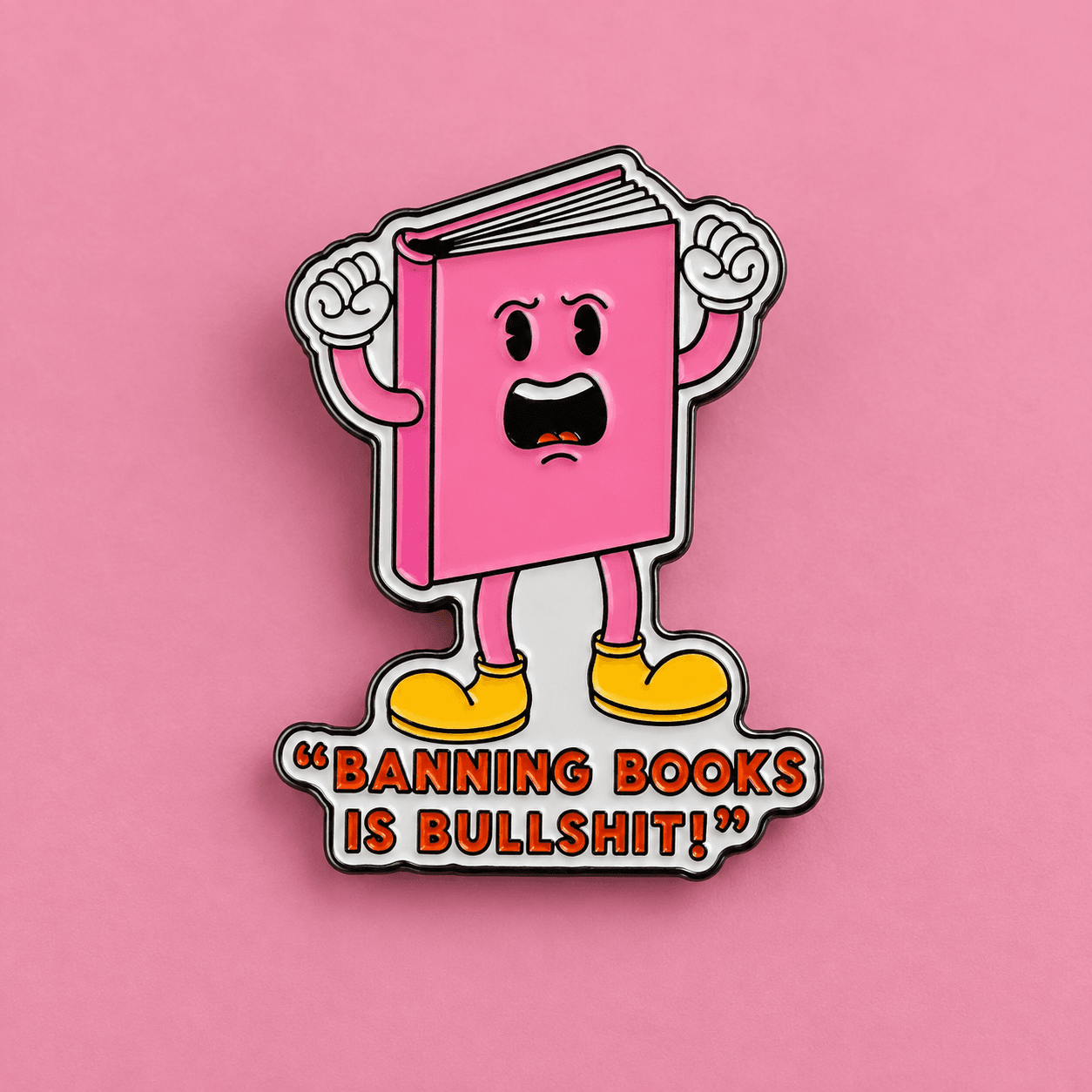
Pink rectangular cartoon book badge with orange lettering on a pink backgroundEnamel badgesColour within metal lines
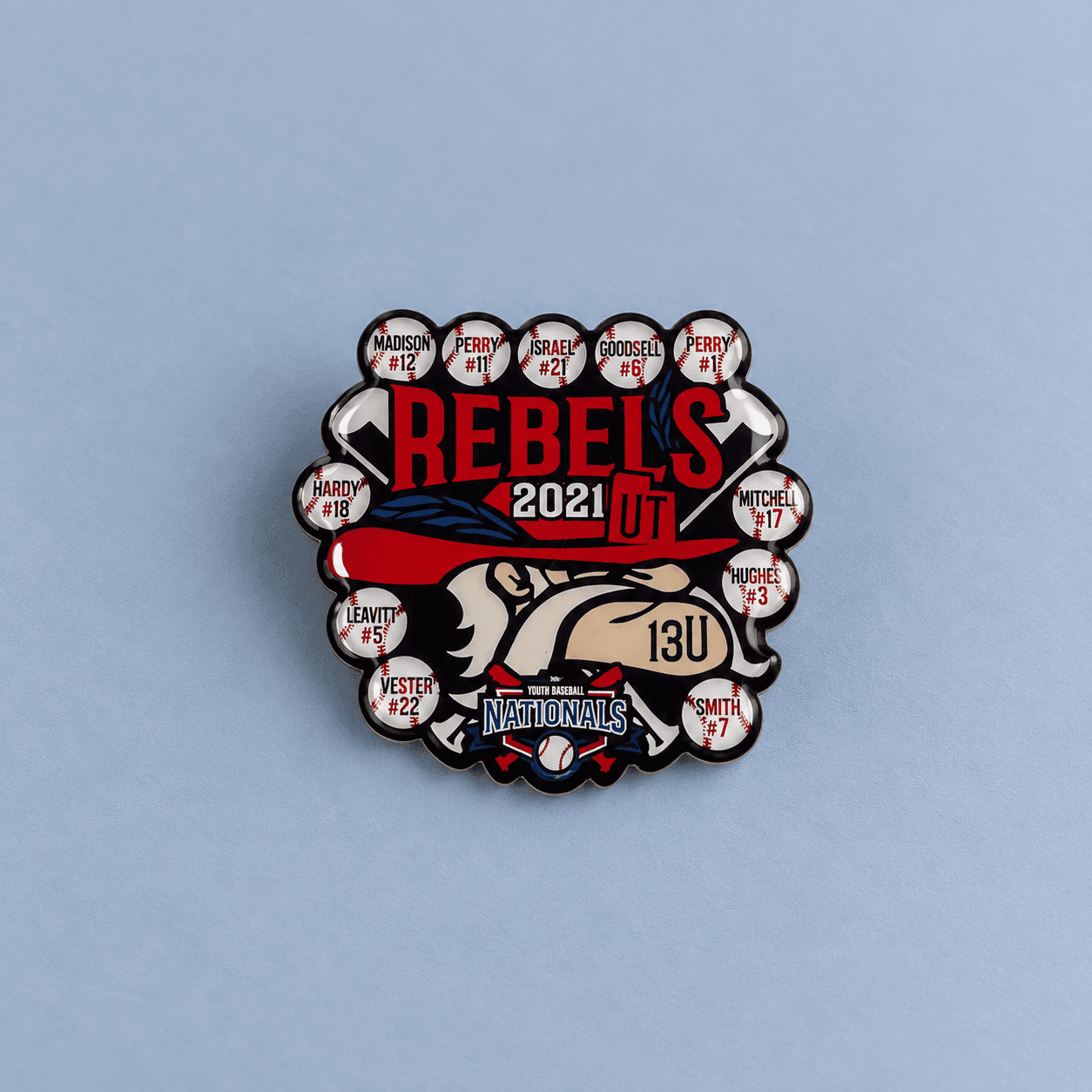
Printed pin badge example 10Printed badgesDetail without metal divisions
Separate enamel colours or a printed image. The enamel book badge uses metal outlines around its colours. The printed club badge keeps closely spaced lettering and illustrated faces within one printed design.These are different designs showing the two methods, not a scale comparison. Both methods need artwork checked at the finished size.

When to choose enamel

Choose enamel when your design works as clear areas of colour and you want visible metal outlines.

Logos, symbols and characters with clear shapes are a useful starting point. The metal lines become part of the artwork, separating colours and defining lettering.

Soft enamel leaves those metal lines raised. Hard enamel brings the colour and metal to a smooth, level surface. Decide whether print or enamel suits the artwork first, then choose the enamel finish.

Explore soft enamel badges →

When to choose print

Choose print when important detail would be interrupted by metal lines between the colours.

Shading, tonal changes and closely spaced illustrations can stay within the printed image. Lettering does not need to be formed as individual enamel areas.

Print still has limits. Reducing an image to badge size can make small words and fine marks hard to see. Send the best file you have and identify the details that must remain clear.

Explore printed pin badges →

At a glance

Enamel badgesPrinted badges
How the design is madeColoured enamel fills areas in a metal badgeThe image is printed beneath a clear surface
Colour boundariesMetal outlines separate the enamel areasColours can meet without a metal line between them
ArtworkBold logos, lettering and solid coloursClosely spaced detail, shading and tonal changes
FinishRaised metal lines in soft enamel; a level face in hard enamelA flat printed face beneath a clear surface
Explore soft enamel badges →Explore printed pin badges →

What changes when the artwork is made?

Enamel badges

An enamel design is rebuilt as separate colour areas divided by metal. If the original file has a gradient or tightly packed detail, it may need simplifying so those areas can be made.

Printed badges

A printed design is reproduced as an image beneath a clear surface. It can retain tonal changes and closely spaced detail without adding a metal boundary around each colour.

A drawing on screen is not a finished badge

Check the artwork at the size you plan to order. Look at the smallest letters, gaps and outlines. A larger badge or a simpler version of the design may help with either method.

The rear fitting is a separate choice. Tell us where the badge will be worn so the fitting and orientation can be checked alongside the artwork.

How to choose for your artwork

Mark the details you need to keep

Identify essential lettering, faces, shading and fine outlines. If these need to stay close together without metal divisions, start with print.

Decide whether metal lines suit the design

If clear metal outlines and solid areas of colour are part of the look you want, start with enamel.

Check the finished size

View or print the design at badge size. Check that important words and shapes are still recognisable, rather than judging them on an enlarged screen image.

Compare the same specification

Do not assume print or enamel always costs less. Ask for the same size, quantity and fitting in each method, and compare the complete quote.

Not sure whether your artwork needs enamel or print?

Send us the design, approximate badge size and quantity. Tell us which details matter most, and we’ll help you choose the method.